


Friday, January 16, 2026
Hidden leaks don’t just waste water. In Corona de Tucson, where slab-on-grade homes and shifting desert soils are common, undetected moisture can stain finishes, damage flooring, and foster the growth of mold. This guide explains how licensed pros use three precise tools to locate problems quickly, then move you toward lasting fixes. If your fixtures, floors, or water bill hint at trouble, start with evidence and plan your plumbing repairs the smart way with Sahuarita Plumbing.
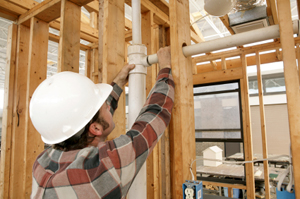 We’ll cover how meter tests confirm a leak, how thermal imaging maps moisture paths behind surfaces, and how in-line cameras show the inside of your pipes. Along the way, you’ll see why documenting the cause first saves time and disruption across neighborhoods like Sycamore Canyon, New Tucson, and the Santa Rita Foothills.
Why Leak Detection in Corona de Tucson, AZ Should Start With Evidence
When leaks hide under slabs or behind tile, guesswork leads to unnecessary holes in walls and floors. Pros collect clues first, then select the least invasive test that will prove where water is escaping.
- patterns that matter: several fixtures slowing at once, faint hissing behind walls, or warm spots on hard floors
- billing surprises: a sudden usage spike even though habits haven’t changed
- surface hints: bubbling paint, damp baseboards, or hairline cracks that reappear after patching
If you’re seeing combinations of these signs, it’s time to document the problem and bring in a local plumber in Corona de Tucson who can verify the source before any demolition.
Meter Tests: Fast Proof You’re Losing Water
Water meter testing is a quick way to learn whether the plumbing system is losing water when no fixtures are running. Think of it like a heart monitor for your home: if the indicator moves when everything should be still, the system is bleeding pressure and water somewhere.
Pros use meter readings alongside pressure checks to confirm an active leak and narrow the search zone. That data helps determine if the issue points toward hot lines, cold lines, or fixtures. In many Corona de Tucson homes, this first step keeps the process clean and focused so we can efficiently find water leak sources without chasing random hunches.
Never ignore a sudden, unexplained jump in usage or the sound of water movement when fixtures are off. Those are clear signals that the system is losing water and that a targeted test should happen promptly.
Thermal Imaging: Seeing Heat Patterns You Can’t
Infrared thermal imaging translates tiny temperature differences on surfaces into a clear picture. When a hot-water line seeps under a slab or inside a wall, the surface above it often runs slightly warmer than the area around it. On the flip side, evaporative cooling from fresh moisture can show as a cooler patch.
In our desert climate, these contrasts can be striking in the early morning and evening, especially after monsoon bursts that saturate the soil for a short time. Thermal cameras help us see moisture pathways without opening walls, which is crucial for minimizing disruption in occupied rooms.
- Maps moisture paths across floors and drywall so repairs target the right spot
- Distinguishes hot water seepage from ambient heat in sunlit rooms
- pairs well with meter data to confirm or rule out slab leak signs like warm flooring or baseboard staining
Thermal images point the way, but trained interpretation prevents false alarms from sunlight or appliances. That’s why pros correlate the camera’s picture with pressure data and onsite conditions before recommending any opening.
Camera Inspection: The Full Story From Inside the Line
When symptoms suggest a drain or sewer issue-slow drains across multiple fixtures, gurgling, or odors-an in-line camera shows exactly what’s happening. A flexible, high-resolution camera travels through a cleanout to record the inside of the pipe, revealing cracks, offsets, root intrusion, buildup, or even construction debris.
Caliche soils, tree roots searching for moisture, and monsoon cycles all influence buried lines around Corona de Tucson. Video evidence shows whether you’re dealing with a single obstruction or a section that needs a more thorough fix. If you want a refresher on early warning signs tied to drainage, check out our related blog, Simple Steps to Do Leak Detection, then bring in a pro for documented testing.
Skip the guesswork and avoid opening floors or walls until a camera or thermal scan confirms the cause. Documentation helps you choose the right fix once, not several times.
How We Choose: Meter Tests vs. Thermal Imaging vs. Cameras
Every home and symptom set is different, so the pros sequence tests for the clearest answer with the least disruption:
- If fixtures are off and usage still climbs, start with meter and pressure checks
- If floors feel warm or baseboards show stains, add thermal imaging to map the path
- If several drains act up or odors appear, go straight to a camera inspection
Example: a Sycamore Canyon homeowner noticed a warm tile path across the kitchen and living room with no visible water. Meter testing confirmed a closed-system loss, and thermal imaging traced a linear pattern along a hot-water run. We opened a small section at the most likely joint and resolved the pinhole leak with minimal tile removal.
Another case near the Santa Rita Foothills involved recurring shower backups during laundry cycles. The camera revealed a shallow belly where silt collected after storms. Cleaning and a slight grade correction solved the pattern without unnecessary pipe replacement. In Corona de Tucson, short, powerful monsoon bursts can exaggerate leak symptoms. If signs appear right after a storm or a sudden temperature swing, documenting conditions quickly helps your plumber capture accurate readings and prevents damage from spreading.
Slab Leak Signs: What Deserves Immediate Attention
Because many area homes are slab-on-grade, hidden leaks can run along the underside of flooring or between the slab and baseboards. The earlier they’re documented, the smaller the repair footprint tends to be.
- Warm or damp spots on hard floors, especially along straight lines that mirror pipe runs
- Musty odors near interior walls or closets with plumbing nearby
- Hairline cracks in grout that darken or reappear after patching
- Low hot-water pressure combined with meter movement when fixtures are off
These patterns aren’t just inconveniences. They’re clues pros use to narrow the hunt and choose the right tool next, whether that’s a meter verification, a thermal scan, or a camera survey.
From Diagnosis To Repair: Protecting Your Home
Once testing pinpoints the source, repairs can be targeted and efficient. A clean diagnosis leads to smaller openings, shorter downtime, and finishes that look right when you’re done. For water supply leaks, that might be a precise section repair. For drain issues, it could be cleaning, a spot repair, or a longer plan if the camera shows multiple defects.
What matters most is matching the fix to the verified cause. That’s how Sahuarita Plumbing helps homeowners across Corona de Tucson, Vail, and Sahuarita move from stress to solutions without surprise detours. If you’re documenting a leak now, make sure your next step is guided by evidence and a team that explains options in plain language.
Your Next Step: Clear Evidence, Clean Repairs
Ready to act before a small leak becomes a bigger repair in Corona de Tucson? Start with documented testing and plan your plumbing repairs with a local team that respects your time and your home. Call Sahuarita Plumbing at 520-834-7834 or schedule service online today-precision leak detection leads to faster, cleaner fixes.